Source precision machined plastic molded parts for Car, Household Appliances, and Electronic
Compare 30 listings for precision machined plastic molded parts tailored for automotive, household appliances, and electronic applications. Buyers can evaluate specifications like H13 mold steel, multi-cavity options, and lead times from verified suppliers in China.
Key considerations
Products List




Comprehensive Sourcing Guide
Strategic Sourcing Guide for Precision Machined Plastic Molded Parts
Understanding Technical Specifications and Design Parameters
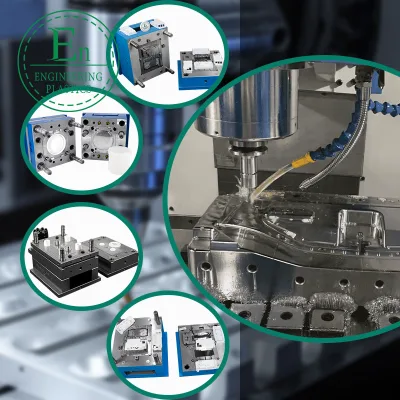
When sourcing precision machined plastic molded parts, the initial phase involves a rigorous analysis of technical specifications that define the final product's functionality and fit. The core of this process lies in understanding the specific design software and molding technologies employed by potential suppliers. High-precision sourcing often requires components designed using advanced Computer-Aided Design (CAD) tools, with UG (Unigraphics) being a recognized standard for complex geometry and mold flow analysis. Buyers must verify that the supplier utilizes compatible software formats, such as 2D (PDF/CAD) and 3D (IGES/STEP), to ensure seamless data exchange and minimize translation errors during the manufacturing setup.
The physical characteristics of the mold are equally critical. The choice between single-cavity and multi-cavity configurations directly impacts production volume and unit cost. Multi-cavity molds are essential for high-volume runs where efficiency is paramount, while single-cavity molds may be preferred for prototyping or low-volume, high-tolerance applications. The runner system is another pivotal specification; hot runner systems are frequently specified for their ability to reduce material waste and cycle times, though they require more sophisticated temperature control. Furthermore, the surface finish process, typically involving polishing, painting, or texturing, must align with the aesthetic and functional requirements of the end application. For instance, parts destined for automotive interiors may require specific texture levels to hide flow lines, whereas medical components demand ultra-smooth, polished surfaces to prevent bacterial adhesion.
Material selection forms the backbone of the part's performance. The supplier's capability to work with a diverse range of plastics, including HDPE, ABS, and engineering plastics, is a key indicator of their versatility. The mold steel itself, often H13, P20, 718, 738H, NAK80, or S136, dictates the mold's durability and the precision of the final part. H13 steel, for example, is renowned for its toughness and resistance to thermal fatigue, making it suitable for high-volume production. Buyers should also confirm the mold's expected life, which can range from 50,000 to 500,000 shots depending on the material and operating conditions. Understanding these material and process combinations allows buyers to match the right supplier capabilities to their specific production needs, ensuring that the technical specifications are not just theoretical but practically achievable.
Compliance, Certification, and Regulatory Standards
Navigating the landscape of compliance and certification is vital for procurement teams aiming to mitigate risk and ensure market access. The sourcing guide highlights several high-confidence certifications that serve as markers of a supplier's commitment to quality and safety. TSCE, ISO, and FDA certifications are frequently observed, indicating that the supplier adheres to stringent standards for product safety and quality management. Specifically, the TS16949 certification is a critical benchmark for automotive supply chains, demonstrating that the manufacturer has implemented a quality management system tailored to the automotive industry's rigorous demands.
In addition to these specific certifications, buyers should be aware of broader international standards that may apply depending on the application sector. While the provided data explicitly lists TS16949, ISO, and FDA, the broader context of precision molding often involves compliance with ISO 9001 for general quality management and ISO 13485 for medical devices. Similarly, environmental regulations such as RoHS and REACH are increasingly important, particularly for products sold in the European Union and North America. Although these specific environmental certifications are noted as lower-confidence background information in the source data, their relevance to the industry cannot be overstated. Buyers must verify the current status of these certifications rather than assuming they are automatically held by all listed suppliers.
The application of the parts also dictates the necessary compliance framework. Parts intended for household appliances, electronics, or automotive use must meet specific regulatory requirements regarding fire resistance, chemical stability, and mechanical strength. For example, the "Car air cleaner cover injection mould" specification suggests an automotive application where safety and durability are non-negotiable. Similarly, parts for food processing or medical processing require materials and processes that comply with FDA regulations to ensure they do not leach harmful substances. Buyers should request valid, up-to-date certification documents from suppliers and cross-reference them with the specific regulatory bodies governing their target markets. This due diligence ensures that the sourced parts will not only function correctly but also pass regulatory audits and avoid costly recalls or legal liabilities.
Cost Drivers and Economic Factors in Procurement
The economic landscape of sourcing precision machined plastic molded parts is influenced by a complex interplay of factors, including material costs, mold complexity, and production volume. One of the primary cost drivers is the mold steel selection. Premium steels like S136 or NAK80, which offer superior corrosion resistance and polishability, command higher initial costs compared to standard steels like P20. However, these materials often provide a longer mold life, potentially reducing the total cost of ownership over a large production run. The decision between a single-cavity and multi-cavity mold also significantly impacts the upfront investment. While multi-cavity molds require a higher initial capital outlay due to their complexity, they offer a lower cost per unit at high volumes by producing multiple parts in a single cycle.
Another critical economic factor is the customization level of the product. The availability of customized options, including specific colors, sizes, and surface treatments, allows for tailored solutions but often introduces additional costs. Customized sizes and colors may require unique tooling or additional processing steps, such as painting or texturing, which add to the overall price. The lead time is also a significant economic consideration. A mold lead time of approximately 30 days is a common benchmark, but this can vary based on the complexity of the design and the supplier's current workload. Longer lead times can delay time-to-market, potentially resulting in lost sales opportunities or increased inventory carrying costs.
Buyers must also consider the minimum order quantity (MOQ) and the selling units. The observed MOQ range of 1 to 1000 units suggests flexibility for different stages of product development, from prototyping to mass production. However, lower MOQs often come with a higher unit price due to the setup costs being amortized over fewer units. Conversely, higher volumes can drive down the unit cost but require a larger initial commitment. The packaging method, such as steel boxes, also adds to the logistics cost, particularly for heavy industrial molds. Understanding these cost drivers enables buyers to negotiate more effectively and make informed decisions that balance upfront costs with long-term value.
Typical Applications and Industry Use Cases
Precision machined plastic molded parts serve a wide array of industries, each with unique requirements and performance expectations. The automotive sector is a major consumer of these components, utilizing parts like car air cleaner covers and various interior and exterior trim pieces. In this context, the parts must withstand varying temperatures, resist chemicals, and maintain dimensional stability under stress. The use of H13 steel molds and hot runner systems is common in automotive applications to ensure high precision and efficiency.
Household appliances and electronics represent another significant application area. Components for appliances such as washing machines, refrigerators, and vacuum cleaners require durability and aesthetic appeal. The ability to customize colors and surface finishes is particularly valuable here, allowing manufacturers to align products with brand identities. Similarly, electronic components demand high precision and often require materials with specific electrical properties. The versatility of the molding process allows for the production of complex geometries that are essential for modern electronic devices.
Beyond these sectors, the guide highlights applications in hardware, commodity goods, furniture, and even medical and food processing industries. For furniture, parts may need to be robust yet lightweight, requiring a balance of material strength and design flexibility. In the medical and food processing sectors, the focus shifts to hygiene and safety, necessitating materials and processes that comply with FDA and other health regulations. The ability to produce parts with tight tolerances, such as +/-0.01mm, is crucial in these applications to ensure proper fit and function. The diverse range of applications underscores the importance of selecting a supplier with a broad portfolio of experience and the technical capability to adapt to specific industry needs.
Supplier Evaluation and Quality Control Protocols
Evaluating a supplier for precision machined plastic molded parts requires a multifaceted approach that goes beyond price comparisons. Buyers should assess the supplier's technical capabilities, including their design software proficiency, mold steel selection, and surface finish processes. The presence of specific certifications like TS16949, ISO, and FDA is a strong indicator of a supplier's commitment to quality. Additionally, the supplier's experience with different molding processes, such as injection molding and compound die operations, should be verified.
Quality control is another critical aspect of supplier evaluation. Buyers should inquire about the supplier's quality management systems and inspection protocols. The ability to maintain tight tolerances, such as +/-0.01mm, is a key performance indicator. Suppliers should have robust in-process and final inspection procedures to ensure that every part meets the specified requirements. The mold life, typically ranging from 50,000 to 500,000 shots, is another factor to consider, as it reflects the durability and reliability of the supplier's tooling.
Furthermore, the supplier's location and logistics capabilities should be evaluated. Many suppliers originate from regions like Guangdong, China, which is a hub for manufacturing. Buyers should consider the lead times, packaging methods, and shipping options when selecting a supplier. The ability to provide free samples and consult with customer service is also a positive sign of a supplier's willingness to engage and support the buyer throughout the procurement process. By thoroughly evaluating these factors, buyers can identify suppliers that not only meet their technical requirements but also demonstrate a commitment to quality and reliability.
Long-Term Procurement Considerations and Strategic Planning
Sourcing precision machined plastic molded parts is not merely a transactional activity but a strategic initiative that requires long-term planning. Buyers should consider the scalability of their supply chain and the supplier's ability to adapt to changing market demands. The flexibility of the supplier to handle customized orders, including specific colors, sizes, and surface treatments, is essential for maintaining a competitive edge. Additionally, the supplier's capacity to manage lead times and production schedules is crucial for ensuring timely delivery and minimizing disruptions.
Sustainability is another emerging consideration in long-term procurement. Buyers should evaluate the supplier's environmental practices, including their use of recyclable materials and energy-efficient manufacturing processes. While specific environmental certifications like RoHS and REACH may not be explicitly confirmed in all cases, the trend towards sustainability is undeniable. Suppliers who prioritize environmental responsibility are more likely to be future-proofed against regulatory changes and consumer preferences.
Finally, the relationship between the buyer and the supplier should be built on trust and collaboration. Open communication, transparent pricing, and a shared commitment to quality are the foundations of a successful partnership. By focusing on these long-term considerations, buyers can build a resilient supply chain that supports their business growth and innovation goals. The strategic selection of a supplier who aligns with these values ensures a sustainable and profitable procurement strategy for years to come.
FAQs
What certifications do these plastic molds typically hold?
These molds typically hold TSCE, ISO, FDA, and TS16949 certifications. Buyers should verify specific documents for automotive or medical applications to ensure compliance with industry standards.
Which design software is used for creating these molds?
UG software is commonly used for designing these precision molds. This ensures compatibility with 2D and 3D file formats like PDF, CAD, IGES, and STEP for seamless data exchange.
How long is the lead time for custom injection molds?
The standard lead time for custom injection molds is approximately 30 days. This duration may vary based on mold complexity, cavity count, and current factory workload.
Can I request customized colors and sizes for these parts?
Yes, customized colors and sizes are available for these plastic molded parts. Suppliers can adjust specifications to meet unique design requirements while maintaining tight tolerances.
What is the expected lifespan of these injection molds?
The expected mold life ranges from 50,000 to 500,000 shots. This lifespan depends on the mold steel type, such as H13 or S136, and the specific material being processed.
Which runner systems are used in these injection molds?
Hot runner systems are frequently used in these injection molds. This technology helps reduce material waste and improves cycle times compared to cold runner alternatives.